

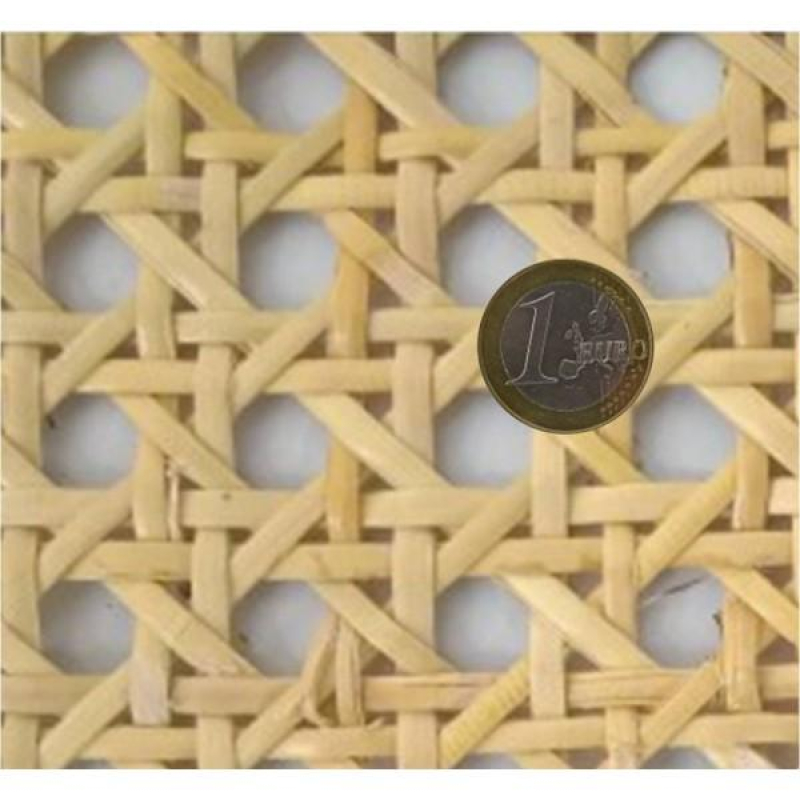
What is cane weave mesh?
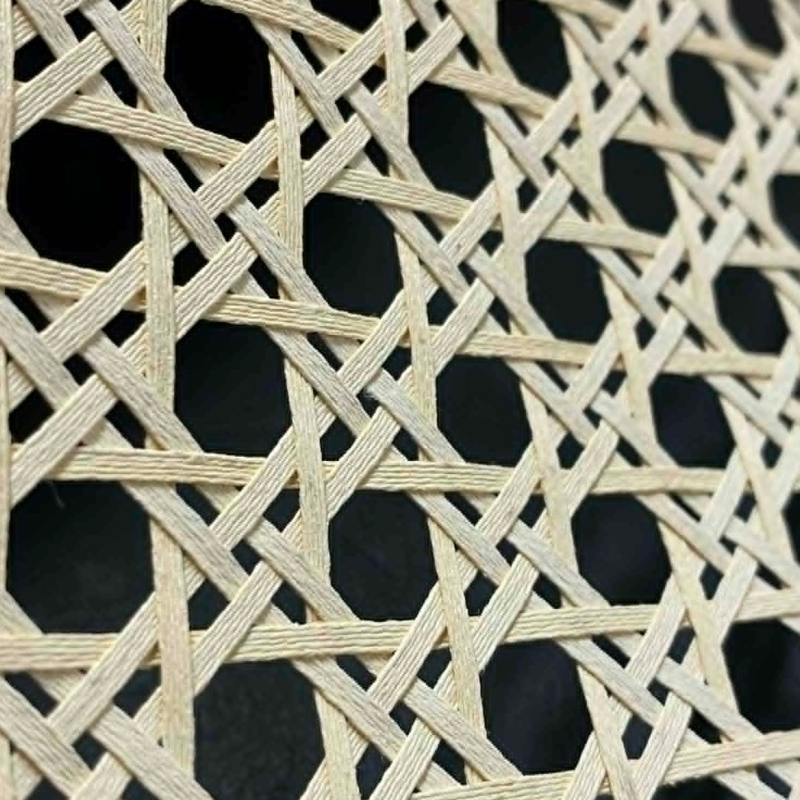
Cane weave mesh refers to the size of the openings formed by weaving rattan strands (or textile fibers like cotton) in a generally hexagonal pattern. This characteristic structure, achieved through a precise interlacing of fibers, is both aesthetically pleasing and functional. An essential unit of measurement In the field of cane weaving, the mesh serves as the primary reference for classifying a product. It corresponds specifically to the inside distance between two strands, in other words, the size of the visible "hole" in the weave. This measurement gives rise to the common designations: 3/8 mesh 1/2 mesh 3/4 mesh 1 mesh These values are traditionally expressed in inches, then converted to millimeters for ease of understanding. They allow for standardization of sizes and ensure compatibility with different types of furniture. A structure born from artisanal expertise Cane weaving relies on a regular and repetitive weave, often called "hexagonal cane" or "French cane." Each strand is positioned to create even tension and a balanced distribution of forces.
This process offers several advantages: Good mechanical resistance Excellent flexibility Natural ventilation of the seat or backrest The weave plays a central role here, as it determines the density of the weave and therefore its durability. The impact of the weave on aesthetics The size of the weave directly influences the visual appearance of the caning. A fine weave: gives a refined and traditional look creates a more homogeneous surface allows less light to pass through A wide weave: offers a more contemporary look accentuates the openwork effect brings visual lightness This choice is therefore crucial in a restoration or decoration project. The influence on comfort and durability The weave does not only play an aesthetic role; it also impacts the use of the caning. A tight weave is more durable and better suited to high-traffic seating. A looser weave is more flexible and often used for decorative elements or less frequently used surfaces. The right choice therefore depends on the desired balance between strength, comfort, and visual appeal. Key information for choosing your caning: On a specialized website like cannage.fr, the weave pattern is an essential criterion for guiding your purchase. It allows you to select a product that is suitable for: the type of furniture its intended use (seat, backrest, decorative covering) the desired style Understanding caning weave patterns is therefore the first step to successfully completing your project, whether you are restoring an antique piece of furniture or designing a contemporary decorative element.
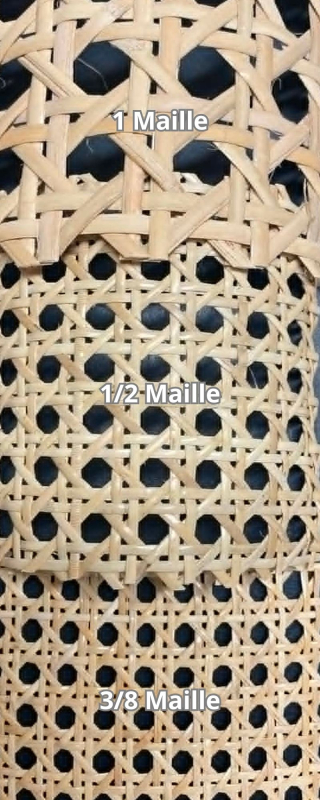
Main Mesh Sizes in Cane Weaving
3/8 Mesh Cane Weaving: The Fine Weave
3/8 mesh cane weaving is particularly well-suited for restoring antique furniture.
- Hole Size: Approximately 4 to 5 mm
- Appearance: Very fine and tight
- Uses: Antique seats, traditional chairs
1/2 mesh cane weaving is the most versatile. It is suitable for both restoration projects and contemporary creations.
- Size: Approximately 6 to 7 mm
- Appearance: Balance between density and openness
- Uses: Furniture, interior decoration
3/4 mesh cane weaving offers a more airy look, suitable for modern projects.
- Size: approximately 8 to 10 mm
- Appearance: openwork
- Use: interior design, furniture fronts Single-mesh
caning is characterized by wide openings and a highly decorative effect.
- Size: approximately 15 mm
- Appearance: very openwork
- Use: decorative panels, light fixtures, room dividers
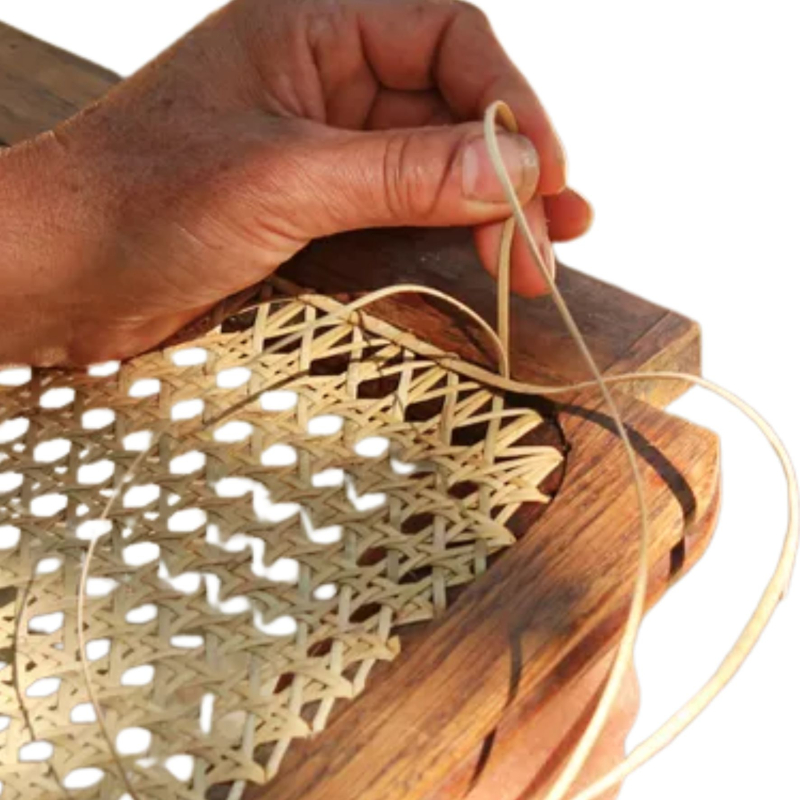
Choosing the Right Cane Webbing on cannage.fr
To help you complete your project, several resources are available on the website.
Product Categories
- Cane webbing by the meter
- Complete cane webbing kits
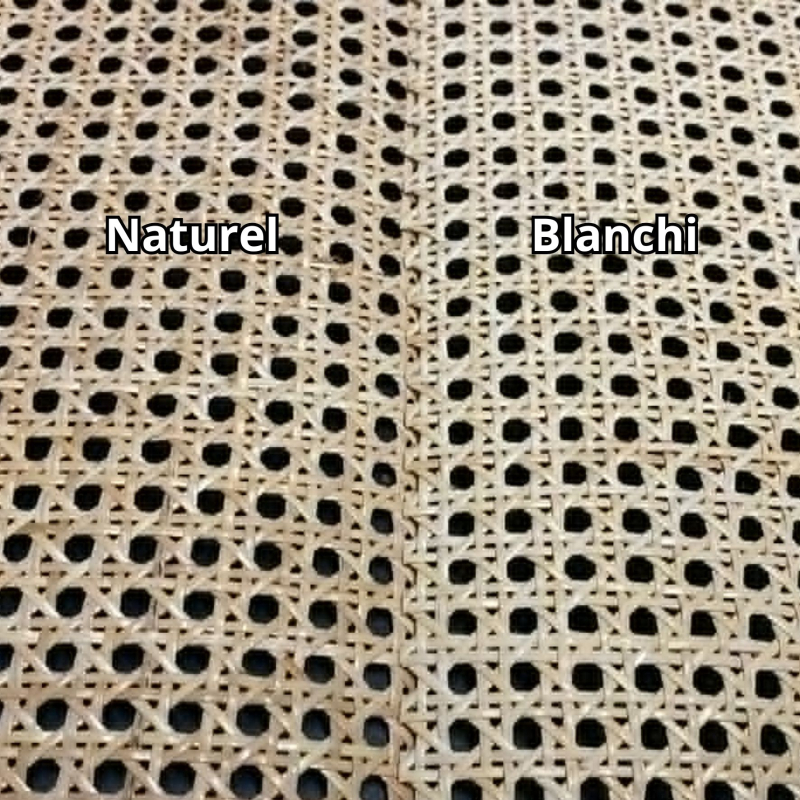
- Natural rattan for cane webbing
- Cotton cane webbing
Conclusion
The choice of cane webbing mesh depends directly on the intended use:
- 3/8 mesh for traditional restoration
- 1/2 mesh for versatile use
- 3/4 mesh for a modern look
- 1 mesh for a decorative effect
I am Christophe, passionate about and manager of the cannage.fr site. In 2026, I decided to create this website with a simple and effective name, cannage.fr, a site specializing in canework, chair restoration, rattan cane, tools and of course advice. As a columnist, creator and enthusiast, my mission is to deliver content that is as fresh as it is relevant, covering areas as diverse as interior decoration, arts and crafts, restoration, handmade and even the environment. I strive to approach each theme with rigor and neutrality.
 Cannage.fr