

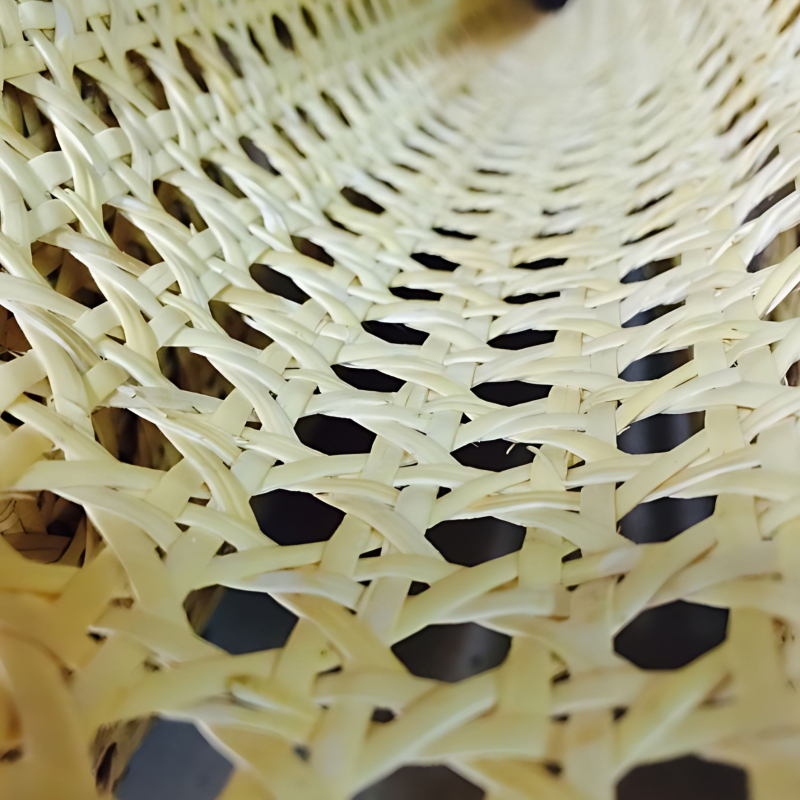
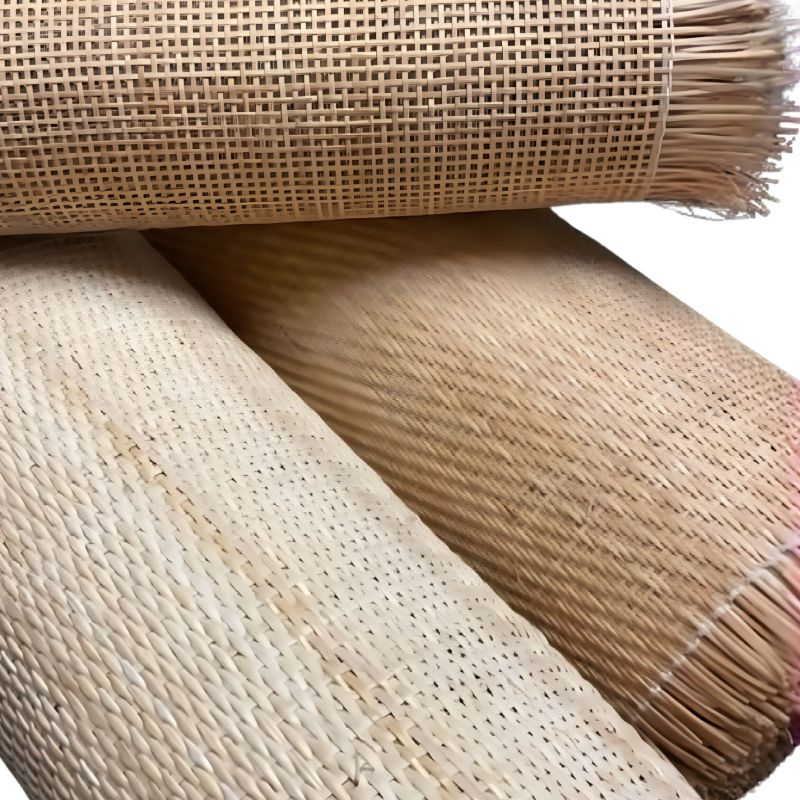
A time-honored craft Caning involves weaving rattan fibers to create an openwork surface that is both lightweight and durable. This technique developed extensively in Europe from the 17th century onward, particularly for upholstering chair seats and backs. The result: an elegant geometric pattern that offers strength, flexibility, and breathability. Traditionally done by hand, caning requires precision, patience, and skill. Each strand of rattan is passed through small holes drilled in the wood to form a regular weave known as "six-strand caning," the most classic pattern.
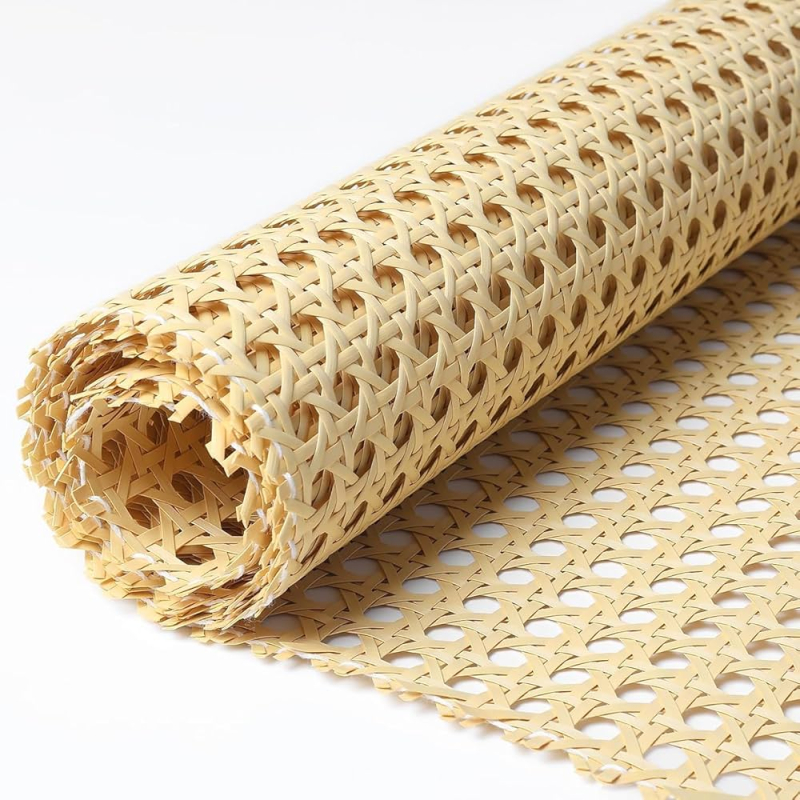
Why is rattan still so popular today? Several reasons explain the enduring success of rattan caning: A natural aesthetic: Rattan instantly evokes a sense of warmth and authenticity. It blends perfectly into bohemian, Scandinavian, or contemporary interiors. A durable material: Rattan is a natural, renewable, and relatively resistant material. With proper care, a caned piece of furniture can last for decades. Lightweight: Unlike other materials, rattan remains lightweight yet strong, making it ideal for furniture.
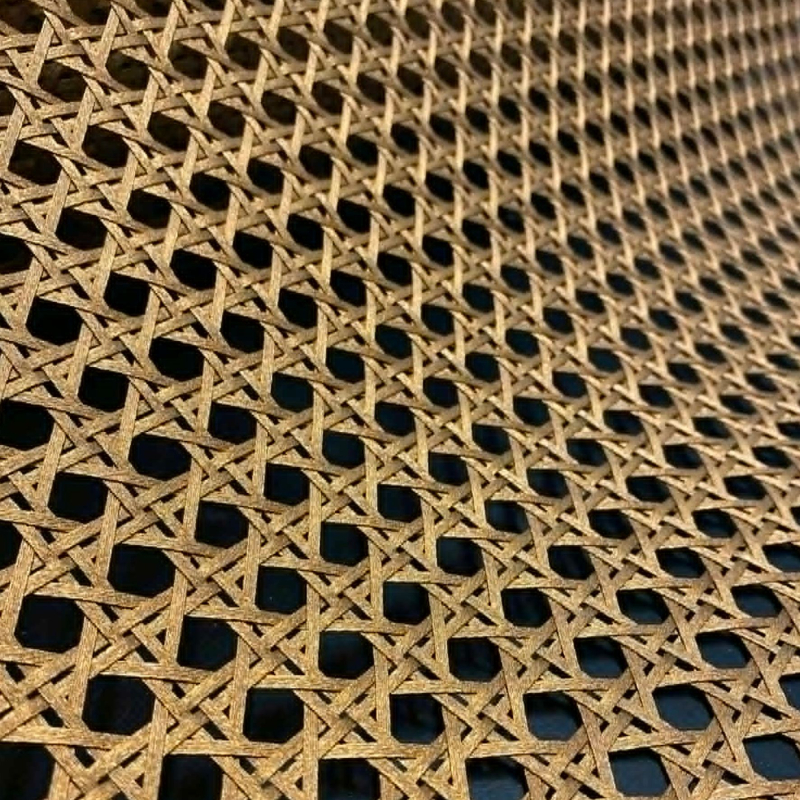
Cane work in contemporary design Today, cane work is no longer limited to traditional chairs. It can be found on: sideboard and chest of drawers doors headboards light fixtures screens decorative wall panels This versatility makes it easy to introduce a handcrafted and natural touch into various interior styles.
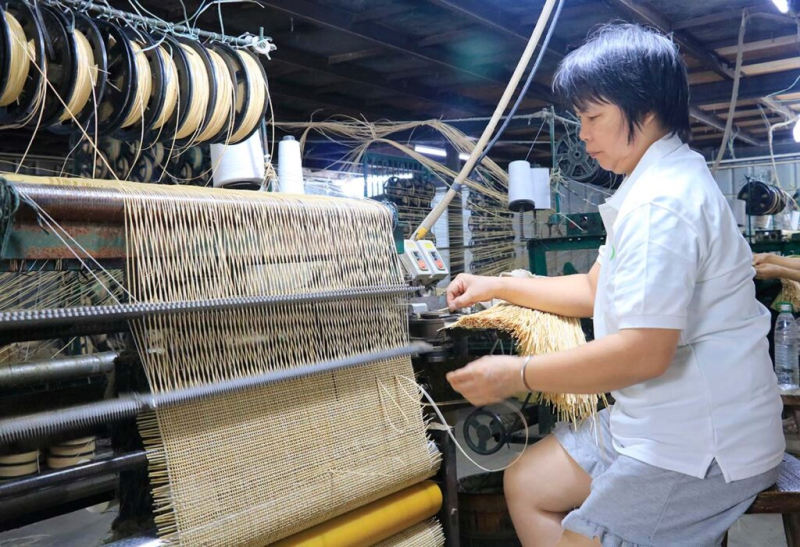
How to care for caning? Caring for caning is relatively simple: Dust regularly with a soft cloth or brush. Avoid prolonged exposure to humidity or direct sunlight. Lightly dampen the rattan from time to time to maintain its suppleness. In case of breakage or wear, it is also possible to have the caning restored by a specialist craftsman. A trend that values craftsmanship Beyond its aesthetic appeal, the resurgence of rattan caning also reflects a growing desire to consume differently: favoring natural materials, durable objects, and artisanal skills. Choosing caned furniture is therefore much more than a decorative decision: it is also a way to bring a piece of history, nature, and craftsmanship into your home.
I am Christophe, passionate about and manager of the cannage.fr site. In 2026, I decided to create this website with a simple and effective name, cannage.fr, a site specializing in canework, chair restoration, rattan cane, tools and of course advice. As a columnist, creator and enthusiast, my mission is to deliver content that is as fresh as it is relevant, covering areas as diverse as interior decoration, arts and crafts, restoration, handmade and even the environment. I strive to approach each theme with rigor and neutrality.
 Cannage.fr