

| Reference | OUCHEPLA |
| Weight (arround) | 0.005 KG |
| Color | Rouge |
| Shelves | Caning supplies Caning tools |
| Hashtags | #caning 6.6 #plastic 3.7 #dowel 2.5 #place 2.5 #tools 2.5 #facilitating 2.2 #lightweight 2.1 #essential 1.9 #organized 1.9 #backrest 1.8 |
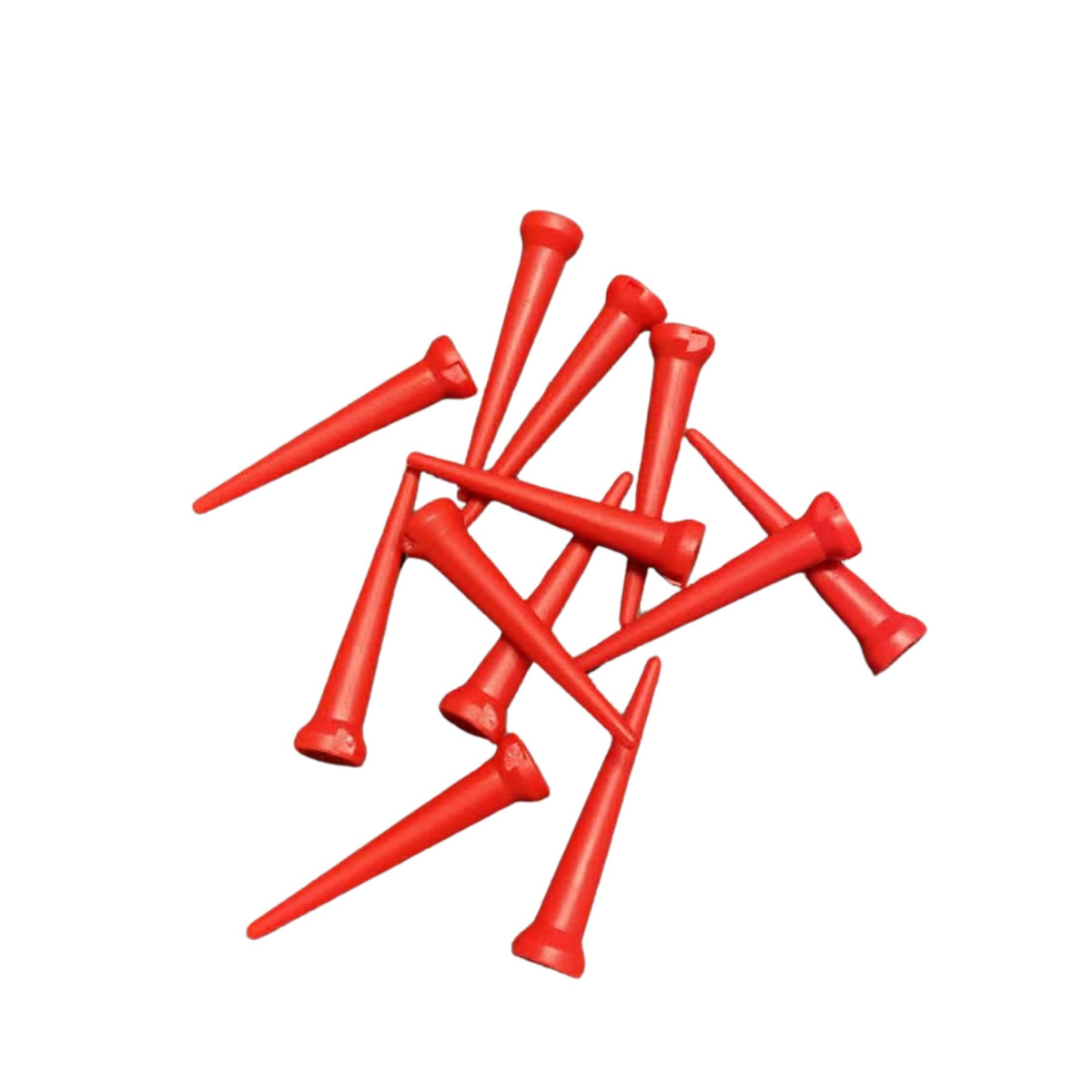
The plastic caning peg is a practical and economical accessory used to hold rattan strands in place when creating or restoring traditional caning. It plays an essential role in the stability and regularity of the weave.
Material and Design
Made from durable plastic, this dowel is designed to be both lightweight and long-lasting. Its smooth surface prevents snagging or damage to rattan fibers, even when wet. It is an effective alternative to metal or wooden dowels.
Shape and Dimensions
The dowel has a slightly conical or tapered shape, making it easy to insert into the holes in the frame. It adapts to different drill diameters and is easily removed without disrupting the work in progress.
Use
During caning:
- It is used to secure the rattan strands after they have been threaded through the frame;
- It helps maintain fiber tension during weaving;
- It helps organize the work by preventing the already positioned strands from loosening. Several pegs are often used simultaneously for progressive and structured work.
You will need 4 to make a seat and about fifty for a backrest with a blind hole.
Advantages
- Firm hold without damaging the fibers
- Moisture resistance (ideal with damp rattan)
- Facilitates even and precise caning Reusable on many projects
Suitable for both beginners and professionals, the plastic peg is a simple and effective tool for achieving clean, even and well-tensioned caning.

 Cannage.fr